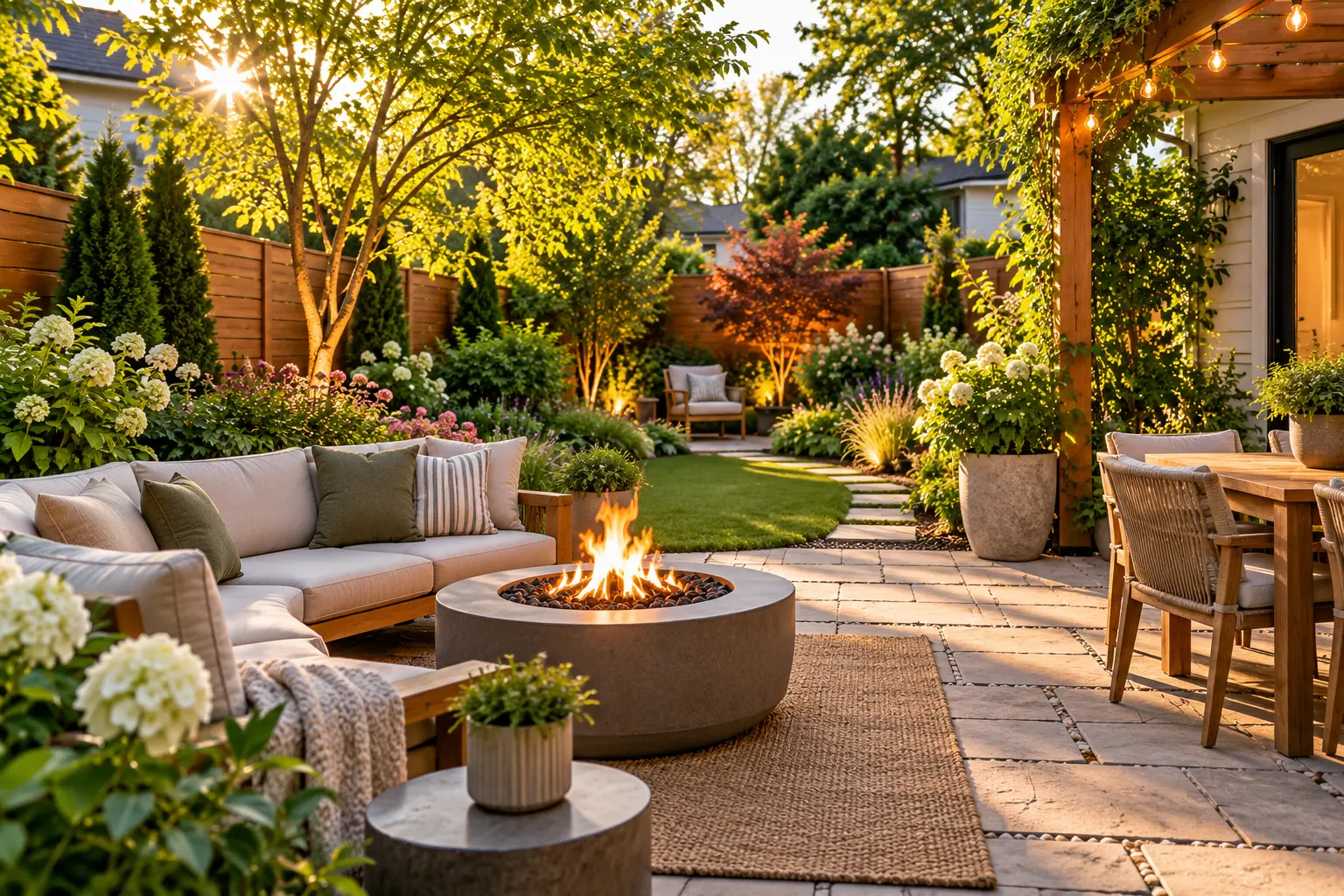
A small backyard doesn’t have to feel limiting. With the right layout, thoughtful landscaping, and a few well-chosen features, even a modest outdoor space can become a beautiful place to relax, entertain, garden, or spend time with family.
The secret isn’t necessarily making your backyard look bigger. It’s making every part of it feel intentional.
From cozy patios and lush garden borders to clever seating arrangements and space-saving landscaping, these 25 small backyard ideas offer inspiration for creating an outdoor space you’ll genuinely enjoy.
Whether you’re starting with an empty patch of grass or updating an existing yard, there’s something here for nearly every style, budget, and lifestyle.
Table of Contents
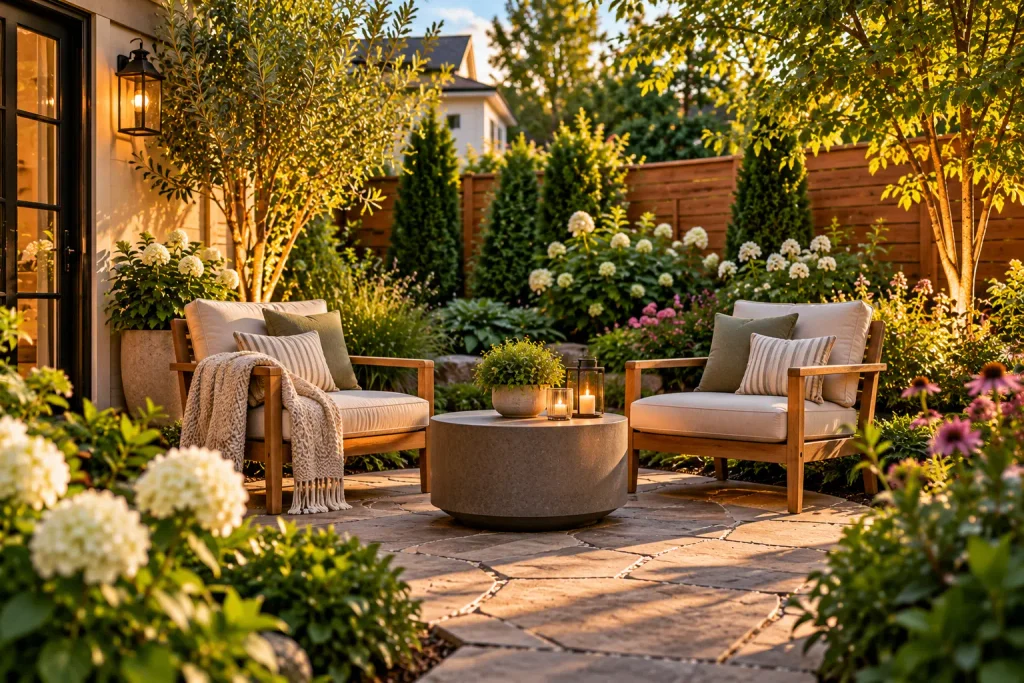
1. Create a Cozy Patio Retreat
A patio can transform a small backyard into an inviting outdoor living space without requiring an elaborate renovation.
Start with a simple paved area large enough for a small seating arrangement. Natural stone, concrete pavers, and brick are all attractive options, depending on your budget and the style of your home.
Choose furniture that fits comfortably within the space rather than filling every available inch. Two lounge chairs and a small table may be more practical than a large sectional.
Surround the patio with plants to soften its edges and create a sense of privacy.
2. Use Built-In Seating to Save Space
Traditional outdoor furniture can take up valuable room, particularly when chairs need extra clearance.
Built-in benches offer a streamlined alternative. Position them along a fence, retaining wall, or patio perimeter to keep the central area open.
For additional functionality, incorporate storage beneath the seats for cushions, garden supplies, or outdoor accessories.
Wood benches with comfortable cushions can also create a custom, finished appearance without requiring expensive furniture.
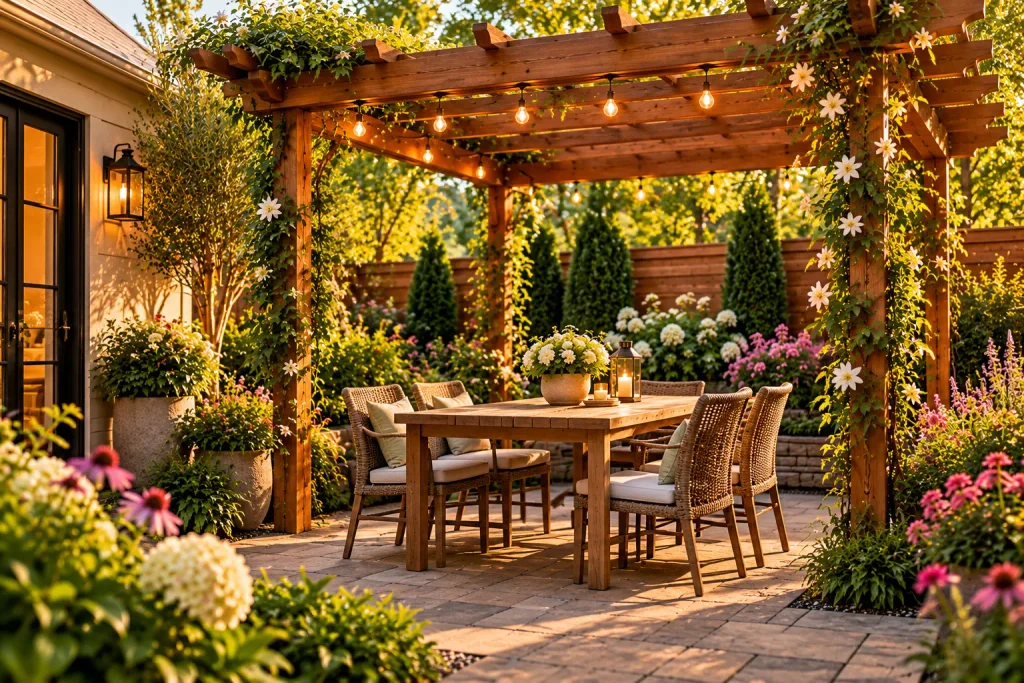
3. Add a Small Pergola for Shade and Structure
A pergola gives a small backyard architectural interest and helps define an outdoor living area.
Even a modest pergola can make a patio feel like a separate outdoor room.
Wood creates a warm, natural appearance, while metal designs can complement contemporary homes.
Consider adding climbing plants, retractable shade fabric, or outdoor curtains for additional comfort.
Before installing a pergola, check local building requirements and consider how its height and placement will affect neighboring properties.
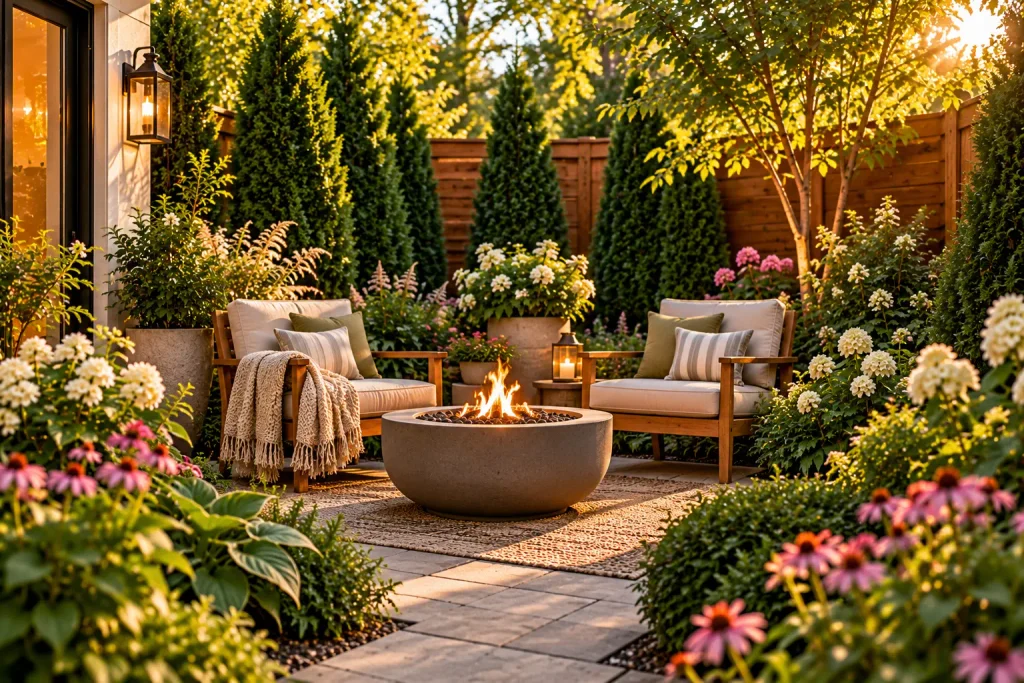
4. Design Around a Fire Pit
A fire pit creates a natural gathering place and can make a backyard enjoyable during cooler evenings.
In a smaller space, choose a compact fire feature rather than an oversized installation.
A low-profile gas fire table surrounded by two or three chairs can provide a comfortable conversation area without dominating the yard.
Leave adequate clearance from structures, fences, furniture, and vegetation, following the manufacturer’s instructions and local fire regulations.
If an open-flame feature isn’t practical, lanterns and warm outdoor lighting can create a similarly inviting atmosphere.
5. Create Layers With Plants of Different Heights
One of the simplest ways to make a small backyard feel more interesting is to use layered landscaping.
Instead of planting everything at the same height, combine low-growing groundcovers, medium-height flowering plants, and taller shrubs or small trees.
This creates visual depth and helps the garden feel fuller.
For example, a planting bed might include creeping thyme near the edge, ornamental grasses behind it, and a small flowering tree as the backdrop.
Choose plants suited to your climate, sunlight, and available growing space.
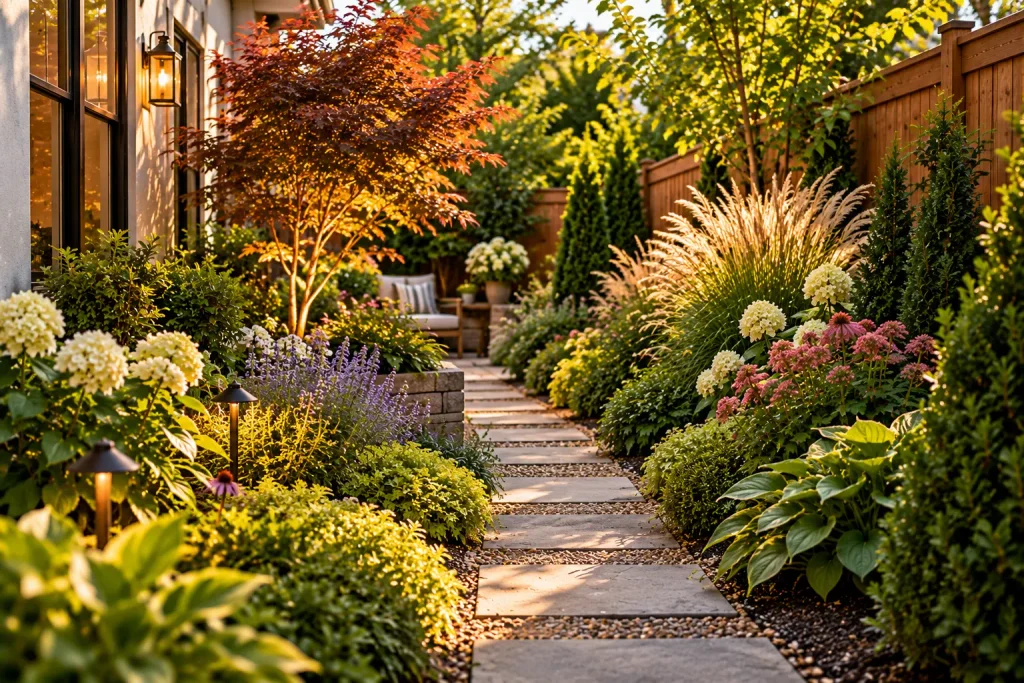
6. Install a Winding Garden Path
A gently curving pathway can make a compact yard feel more expansive by encouraging the eye to travel through the landscape.
Stepping stones surrounded by gravel, mulch, or low-growing plants work especially well in informal gardens.
The path doesn’t need to be long. Even a short walkway connecting a patio to a garden bench can create a sense of discovery.
Keep the walking surface stable, level, and wide enough for comfortable use.
7. Replace Some Lawn With Garden Beds
A traditional lawn isn’t always the most useful feature in a small backyard.
Replacing part of the grass with planting beds can introduce color, texture, and seasonal interest while reducing the area that needs mowing.
Consider curved garden borders around the perimeter, with a smaller patch of lawn remaining in the center.
Alternatively, create a mostly planted garden with stepping stones and a compact seating area.
In dry climates, drought-tolerant landscaping may also help reduce irrigation needs.
8. Create a Private Corner With Tall Plants
Privacy can be challenging in smaller backyards, especially when neighboring homes overlook the space.
Strategically placed shrubs, ornamental trees, or tall grasses can help screen specific areas without enclosing the entire yard.
Focus on the places where privacy matters most, such as a seating area or dining patio.
Choose plants based on their mature size, root behavior, and maintenance requirements.
Avoid planting fast-growing screening plants too close to fences or foundations.
9. Add a Vertical Garden
When ground space is limited, consider growing upward.
Wall-mounted planters, trellises, hanging baskets, and vertical planting systems can bring greenery into areas that would otherwise remain unused.
A vertical herb garden near the kitchen door is especially practical.
For ornamental planting, consider trailing flowers, compact ferns, or climbing vines suited to the available light.
Make sure the supporting structure can handle the weight of plants, soil, and water.
10. Choose One Beautiful Focal Point
A small backyard often benefits from one standout feature rather than several competing elements.
This might be a specimen tree, sculptural planter, garden fountain, or attractive seating area.
A focal point gives the landscape a sense of organization and draws attention away from the yard’s limited dimensions.
For example, a small Japanese maple positioned at the end of a garden path can create a striking view from the house.
The key is restraint. Give your chosen feature enough surrounding space to stand out.
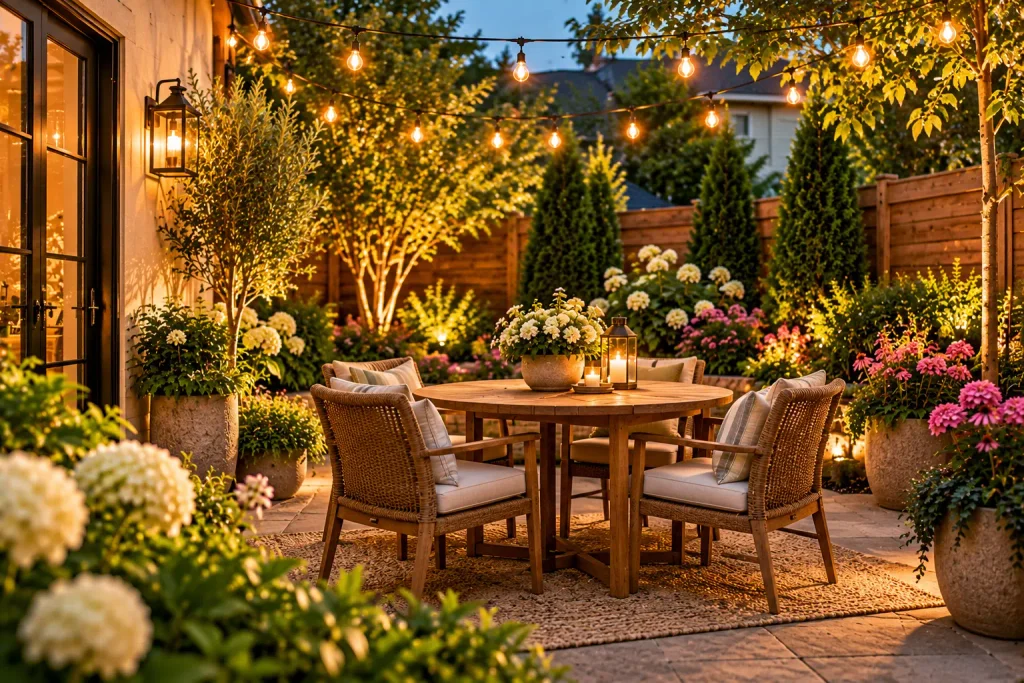
11. Build a Compact Outdoor Dining Area
You don’t need a large deck or patio to enjoy meals outdoors.
A small round table with two to four chairs can fit comfortably into many modest backyards.
Round tables are especially useful where circulation space is limited because they have no sharp corners.
Place the dining area near the house for convenient access to the kitchen.
Add string lights, a large planter, or a small umbrella to make the space feel welcoming.
12. Use Raised Garden Beds
Raised beds offer an organized way to grow vegetables, herbs, and flowers in a small yard.
They can also help define different areas of the landscape.
A pair of narrow raised beds along a sunny fence may provide enough growing space for salad greens, herbs, peppers, or seasonal flowers.
Choose bed dimensions that allow you to reach the center without stepping on the soil.
Consider nearby water access, drainage, and the amount of sunlight your chosen crops require.
13. Add a Small Water Feature
The sound of moving water can make a backyard feel peaceful, even when the surrounding neighborhood is busy.
A compact recirculating fountain, bubbling stone, or decorative water bowl can provide atmosphere without requiring a large pond.
Position the feature where it can be enjoyed from a seating area or viewed through a window.
Choose a design that is easy to clean and maintain.
In areas where mosquitoes are common, avoid allowing water to become stagnant.
14. Make a Narrow Backyard Feel Wider
Long, narrow backyards can feel like corridors if every feature follows the same straight line.
Break up the space by introducing wider planting beds, offset seating areas, or a pathway that changes direction.
You can also divide the yard into two smaller destinations, such as a patio near the house and a garden retreat farther away.
Using consistent paving materials and repeating plant varieties will help the design feel unified.
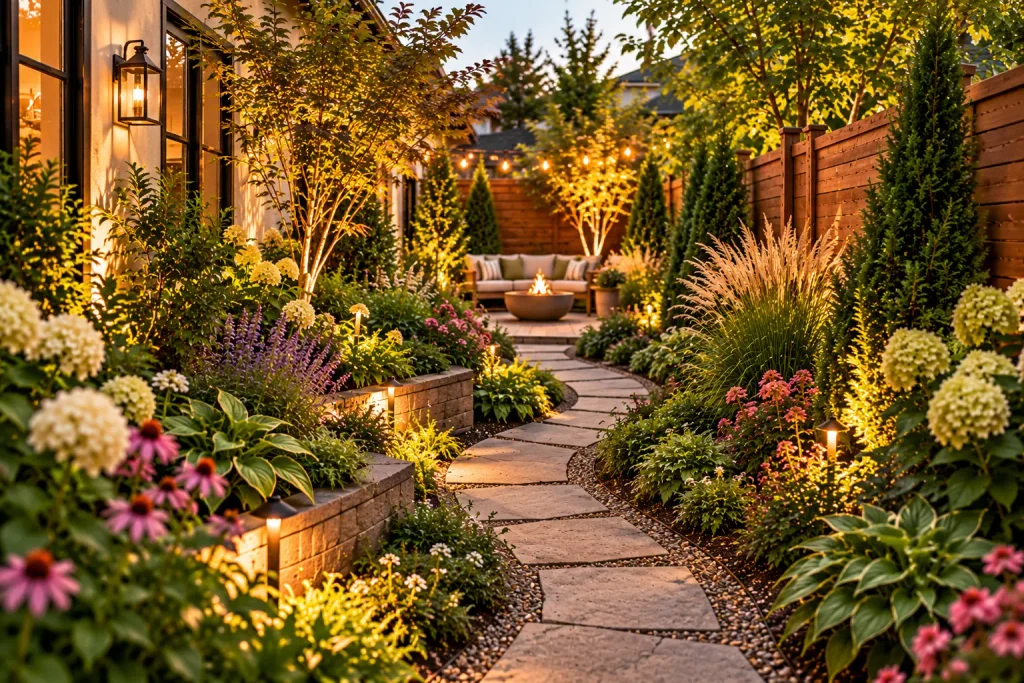
15. Add Outdoor Lighting for Evening Ambiance
Lighting can dramatically change how a small backyard feels after sunset.
Use several subtle sources of light rather than relying on one bright fixture.
Path lights improve visibility along walkways, while warm accent lights can highlight trees, garden beds, or architectural features.
String lights above a patio create a relaxed atmosphere for entertaining.
Choose outdoor-rated fixtures and avoid placing lights where they shine directly into neighboring windows.
16. Use Large Planters for Flexible Landscaping
Large containers can create a lush, layered appearance without requiring permanent planting beds.
They are especially useful for patios, rental properties, and backyards with difficult soil.
Group containers in varying heights and sizes, keeping the materials and colors relatively consistent.
A large planter containing a small ornamental tree can become an attractive focal point.
Use containers with proper drainage and select plants that can tolerate the temperature conditions around their roots.
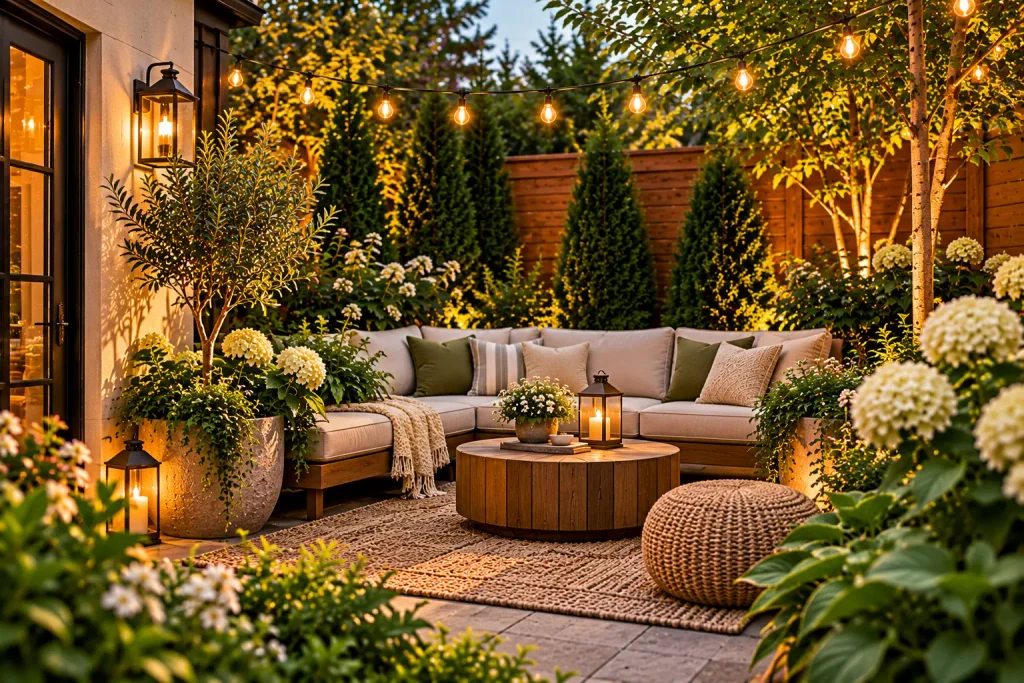
17. Create a Small Outdoor Lounge
A comfortable outdoor lounge doesn’t require a large backyard.
A compact loveseat, two chairs, or a small modular sectional can create an inviting place to read, relax, or talk with friends.
Start by measuring the available space and accounting for walking paths.
Use an outdoor rug to visually define the seating area, then add cushions and a small side table.
Neutral furniture paired with colorful plants creates a timeless look.
18. Incorporate a Multi-Purpose Deck
A small deck can provide a level, usable surface in a yard with uneven terrain.
Consider a simple low-profile platform that accommodates seating, dining, or container gardening.
Built-in benches can reduce the need for additional furniture.
For an especially compact yard, a deck that transitions directly into planting beds can make the entire landscape feel connected.
Check structural requirements, drainage, permits, and railing rules before construction.
19. Use a Consistent Color Palette
Too many competing colors and materials can make a small outdoor space feel visually cluttered.
Choose a simple palette and repeat it throughout the yard.
For example, warm wood, cream-colored cushions, natural stone, and deep green foliage create a relaxed, timeless appearance.
A modern backyard might use charcoal paving, black metal furniture, and ornamental grasses.
Repeating colors helps separate elements feel like parts of one cohesive design.
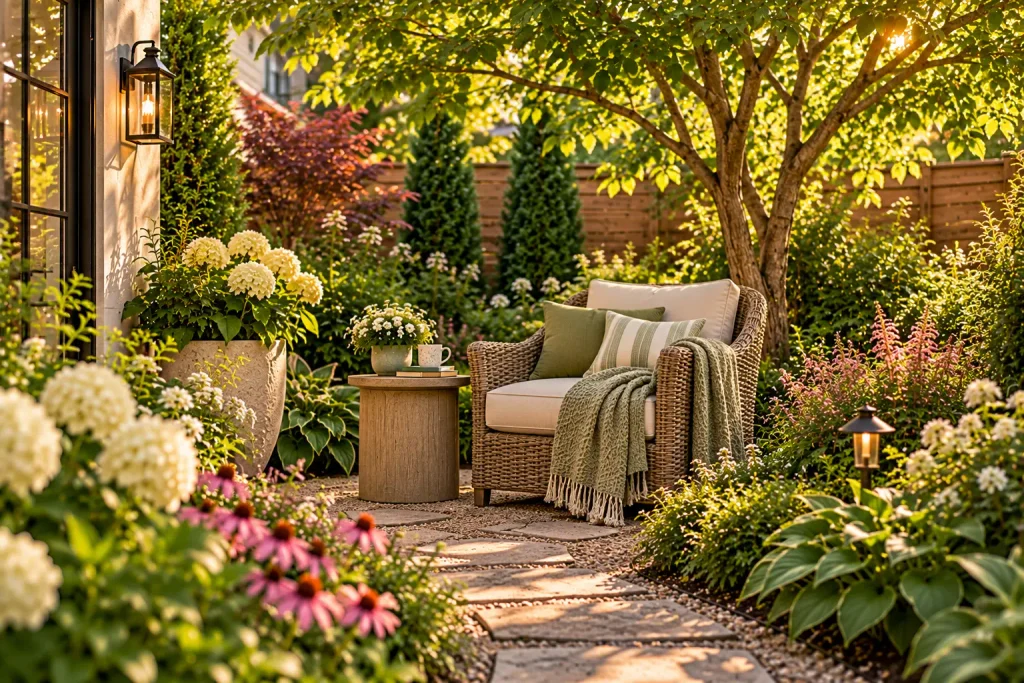
20. Create a Backyard Reading Nook
Sometimes the best use of a small backyard is a quiet place for one person.
A comfortable chair beneath a tree or beside a flowering garden bed can become a favorite retreat.
Add a small table for coffee or books and consider an umbrella or shade sail for protection from direct sunlight.
Position the nook to take advantage of pleasant views while minimizing exposure to neighboring windows.
21. Add a Decorative Privacy Screen
A privacy screen can define a seating area without requiring a new fence around the entire yard.
Wood slats, decorative metal panels, and outdoor lattice are popular options.
Screens can also provide a backdrop for climbing plants or wall-mounted planters.
Choose a design that complements the architecture of your home.
Make sure freestanding screens are securely anchored and can withstand local wind conditions.
22. Make Use of an Awkward Corner
Small backyards often contain corners that seem too cramped or irregular to use.
Rather than leaving these spaces empty, give them a specific purpose.
An awkward corner might become a compact herb garden, a decorative planting bed, a small bench area, or a storage space screened by attractive landscaping.
A custom-shaped planter can help make use of unusual dimensions.
The goal is to make the corner feel intentional rather than leftover.
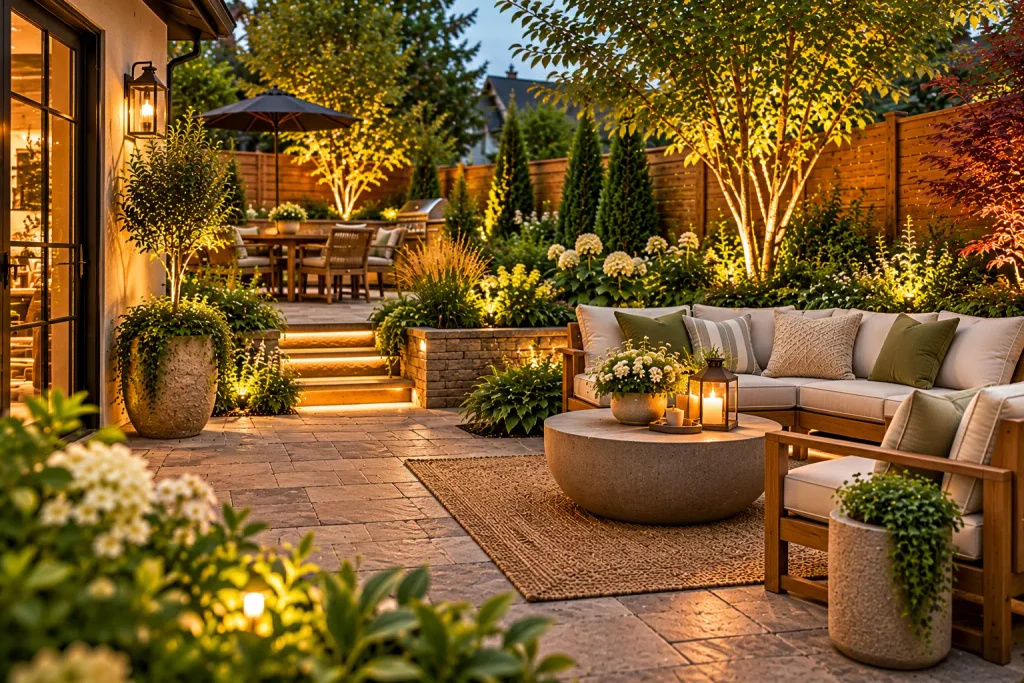
23. Blend Hardscaping With Greenery
Patios, decks, and pathways provide useful outdoor surfaces, but too much hardscaping can make a small backyard feel harsh.
Balance paved areas with planting beds, container gardens, and soft landscape edges.
Allow plants to spill gently over borders where appropriate.
A stone patio surrounded by flowering shrubs and ornamental grasses often feels more welcoming than a large uninterrupted concrete slab.
Consider drainage and permeable surfaces when planning extensive paving.
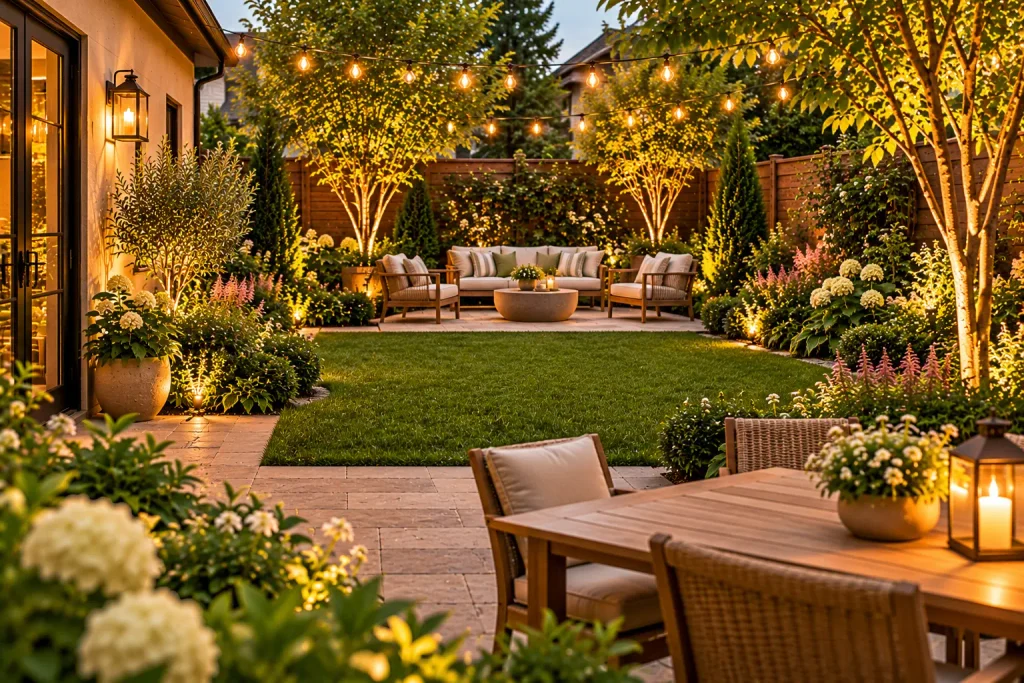
24. Design a Backyard for Multiple Activities
A small backyard can support several activities when the layout is carefully planned.
For example, a single outdoor area might include a compact dining table, a small lawn for children or pets, and planting beds along the perimeter.
Choose features that serve more than one purpose.
A storage bench can provide seating, while a low retaining wall might double as a place to sit.
Avoid dividing the yard into so many separate zones that each becomes too small to use comfortably.
25. Keep the Design Simple
One of the most effective small backyard design ideas is also one of the easiest to overlook: don’t try to include everything.
A thoughtfully designed yard with a comfortable patio, attractive plants, and good lighting can be more enjoyable than a crowded space filled with expensive features.
Start by identifying the two or three activities that matter most to you.
Build the layout around those priorities and leave room for plants to grow and people to move comfortably.
A simple backyard with a clear purpose often feels larger, calmer, and more inviting.
How to Plan a Small Backyard Makeover
Before purchasing plants, furniture, or building materials, spend some time evaluating your existing space.
A good plan can prevent costly mistakes and help you make the most of your budget.
Measure Your Backyard
Record the length and width of the yard, including any unusual angles or narrow sections.
Mark existing features such as doors, fences, trees, utility equipment, drainage areas, and walkways.
A simple sketch on graph paper is often enough to begin exploring layout options.
Identify Your Priorities
Think about how you want to use the backyard.
Is your main goal to entertain guests, grow plants, create a peaceful retreat, or provide a place for children and pets?
Choose your most important activities first. This makes it easier to decide where to allocate space and money.
Observe Sunlight and Shade
Spend time observing the yard at different hours.
A sunny location may be ideal for vegetables, while a shaded corner could work well for a reading nook.
Sun exposure also affects furniture comfort, plant selection, and the usefulness of outdoor dining areas.
Plan for Maintenance
A beautiful backyard should also be manageable.
Consider how much time you’re willing to spend watering, pruning, cleaning, and maintaining outdoor surfaces.
If you prefer low-maintenance landscaping, prioritize climate-appropriate plants, efficient irrigation, durable materials, and simple layouts.
Create a Realistic Budget
Divide your project into essential improvements and optional upgrades.
Start with items that affect the functionality of the space, such as drainage, safe walking surfaces, shade, and usable seating.
Decorative features can often be added gradually.
Small Backyard Design Mistakes to Avoid
Even attractive design ideas can cause problems when they aren’t suited to the space.
Choosing oversized furniture: Measure furniture and walking clearances before purchasing.
Planting too close together: Research mature plant sizes rather than designing around their appearance at the nursery.
Ignoring drainage: Patios, raised beds, and grading changes can alter how water moves through the yard.
Using too many materials: A limited selection of paving, wood, and decorative finishes generally creates a more cohesive appearance.
Overlooking privacy: Consider views from neighboring homes before placing your main seating area.
Forgetting maintenance: Choose features that fit your available time and budget, not just your preferred appearance.
Frequently Asked Questions
How can I make a small backyard look bigger?
Use consistent materials, layered planting, and clearly defined areas. Keep pathways open, avoid oversized furniture, and create visual depth with plants of different heights. A focal point at the far end of the yard can also draw the eye through the space.
What is the cheapest way to improve a small backyard?
Start with cleanup, pruning, and rearranging existing furniture. Adding mulch, inexpensive plants, container gardens, and simple outdoor lighting can make a noticeable difference without major construction.
Should a small backyard have grass?
Not necessarily. Grass can be useful for children, pets, and open recreation, but a small backyard can also work beautifully with patios, planting beds, groundcovers, and pathways. The best choice depends on how you plan to use the space.
What plants are best for a small backyard?
Compact shrubs, ornamental grasses, flowering perennials, and small trees are often good choices. Select varieties suited to your local climate and available sunlight, and always consider their mature size.
Can I have a patio and garden in a small backyard?
Absolutely. A compact patio surrounded by planting beds is one of the most effective layouts for a small outdoor space. Keeping the patio simple and placing taller plants toward the perimeter helps balance function and greenery.
Final Thoughts: Make Your Small Backyard Your Own
A small backyard can become one of the most enjoyable spaces in your home.
You don’t need an enormous lawn, elaborate outdoor kitchen, or expensive landscaping project to create something special.
A comfortable place to sit, thoughtfully selected plants, and a layout that supports your lifestyle can make an enormous difference.
Start with one or two ideas that fit your space, then build on them over time.
The best backyard isn’t necessarily the biggest or most elaborate. It’s the one that makes you want to spend more time outside.